
Asbestos Management Plan for Landlords and Property Managers in New Zealand
Key Takeaways
- Commercial landlords, property managers and tenants all hold overlapping PCBU duties and must coordinate how asbestos risks are identified and managed.
- Buildings constructed before 1 January 2000 are likely to contain asbestos, and undisturbed materials in good condition can often be safely monitored in place.
- A compliant asbestos management plan relies on a competent survey, an accurate register, clear emergency procedures and accessible site records for tradespeople.
- Five years is the maximum statutory interval between plan reviews, with earlier updates triggered by building changes, maintenance disturbance or material deterioration.
- Residential landlords have targeted asbestos duties triggered when maintenance, refurbishment or demolition work creates a risk of fibre exposure.
Owning or managing a commercial building comes with plenty of compliance paperwork, and asbestos sits near the top of the risk list. According to BRANZ, around 200 New Zealanders die each year from asbestos-related diseases. Getting your asbestos records sorted protects the tradespeople, tenants and staff who spend time in your buildings every day.
Whether you own a retail block in Napier, manage industrial units in Palmerston North, or oversee hospitality spaces in Taupō, a clear asbestos management plan for landlords keeps everyone safe and projects moving. We see many property owners treat asbestos compliance as a box-ticking chore. In practice, a well-built plan saves you from costly mid-renovation delays and unexpected contractor stand-downs.
When a Commercial Property Needs an Asbestos Management Plan
Under Regulation 13 of the Health and Safety at Work (Asbestos) Regulations 2016, a written asbestos management plan is required whenever asbestos or asbestos-containing material (ACM) is identified at a workplace, or is likely to be present there from time to time. For commercial landlords and property managers, most commercial buildings count as workplaces where tradespeople, tenants or cleaners regularly work.
Building age gives us a reliable starting indicator. WorkSafe guidance notes that buildings constructed before 1 January 2000 are likely to contain asbestos material. Buildings constructed after that date carry a lower risk, though targeted checks remain smart before intrusive work begins.
Finding asbestos in a building calls for calm assessment rather than immediate panic. WorkSafe confirms that asbestos material in good condition and left undisturbed is unlikely to release fibres and can often stay in place with regular monitoring. The real danger arises when materials deteriorate or when someone drills, cuts, sands, or water-blasts them. New Zealand sets an airborne contamination standard of 0.1 respirable asbestos fibres per millilitre of air averaged over eight hours, which serves as a workplace control limit rather than an acceptable exposure target. Keeping materials stable and documented keeps airborne fibres out of the picture.
Who Holds Responsibility Under New Zealand Law
Legal responsibility rests with the PCBU (person conducting a business or undertaking) that has management or control of the workplace. WorkSafe's interpretive guidelines define this as a PCBU able to exercise management or control over whether work is carried out at the workplace, what work happens, and how it gets done.
In a typical commercial lease, several parties share the site at once. As WorkSafe's property management FAQs explain, the commercial property owner is a PCBU, the property manager is a PCBU who may hold management and control of the building, and the commercial tenant is also a PCBU with duties to its own workers and visitors. Responsibility follows actual influence and control over the building and work activities, rather than sitting solely with the name on the property title. Engaging our team to conduct surveys and prepare your documentation gives you accurate technical evidence, while your underlying legal duty as the PCBU remains with you.
How Landlords, Property Managers, Tenants and Contractors Coordinate
When multiple PCBUs share duties over the same building, the law requires them to consult, cooperate and coordinate so far as is reasonably practicable. WorkSafe's overlapping duties guide makes it clear that commercial leases and management agreements can assign practical tasks, while statutory health and safety duties stay with each business.
Take a commercial warehouse in Gisborne leased to a logistics company and overseen by a local property manager. A practical split of responsibilities keeps things running smoothly:
- The landlord maintains base-building records, funds required surveys and approves capital works.
- The property manager schedules surveys, distributes the plan, manages building access and tracks review dates.
- The tenant shares information about its daily operations, notifies the manager before any fit-outs and briefs its staff.
- Each visiting contractor reviews the asbestos register and plan before starting work and manages their own team safely.
Whatever arrangement you settle on, put it in writing. Agree early on who updates the plan, who briefs tenants and tradespeople ahead of maintenance, who controls physical access to restricted areas, and who verifies that agreed actions happen on time.

Asbestos Register vs Management Plan vs Removal Control Plan
Property managers often ask us how the different asbestos documents fit together. Each document serves a distinct operational purpose, as outlined in WorkSafe's official templates and examples.
- An asbestos register is the factual inventory of identified or assumed asbestos in the building, detailing locations, product types, condition, estimated quantities, inaccessible areas, lab results and past removal records.
- An asbestos management plan is the broader operational playbook that explains how those identified materials will be safely managed over time, including emergency steps and communication protocols.
- An asbestos removal control plan is a project-specific safety plan prepared by a licensed asbestos removalist for licensed removal work, complementing the building's ongoing management plan during a removal job.
Keeping all three documents distinct helps your team pull the right file for the right task. When a plumber arrives to replace a valve, they need the building's register and management plan, whereas a major strip-out requires a removal control plan if licensed asbestos work is involved.
What a Compliant Plan Includes and How Surveys Support It
Under Regulation 13, every workplace asbestos management plan must cover four core elements: the identification of asbestos or ACM (typically via the register), decisions and reasons for managing the risk, procedures for incidents and emergencies, and details on training, roles, responsibilities and health monitoring for workers carrying out asbestos-related work.
To make your plan genuinely useful on site, we recommend adding clear site plans, annotated photographs, label and signage locations, named responsible contacts, document storage instructions, contractor induction steps, action priorities and scheduled review dates.
Strong plans stand on strong evidence. WorkSafe's survey guidelines state that surveys should identify the type, quantity and condition of asbestos material and be conducted by a competent person. You'll choose between two main inspection types:
- A management survey supports normal building occupation and use, locating accessible asbestos materials with minimal disturbance.
- A refurbishment or demolition survey involves targeted, intrusive inspection to locate hidden asbestos that upcoming building works could disturb.
When samples are collected for identification, Regulation 11 requires analysis by an accredited laboratory. Under Regulation 10, any material reasonably believed to be asbestos must be treated as asbestos, and inaccessible building areas likely to contain asbestos must also be recorded as assumed ACM. Always retain your survey scope, limitations, photographs, lab certificates, past clearance certificates and alteration records alongside your plan so future readers see the full picture. You can learn more about how we gather that baseline evidence on our asbestos surveying page.
Using Your Plan Before Maintenance and Building Changes
An asbestos management plan works best as an active pre-work safety check rather than a static compliance file. Regulation 13(5) requires an up-to-date copy to stay readily accessible to workers, their representatives, and any PCBU carrying out or commissioning work at the property. WorkSafe's interpretive guidelines specifically recommend keeping a copy on site so an inspector can receive it without undue delay, normally within 20 minutes.
Putting that into daily practice across a commercial building in Hastings or Taupō is straightforward. Attach the relevant register pages and plan summary directly to contractor induction packs and digital work orders. Check the register before anyone drills a wall, lifts ceiling tiles or opens a service riser, and give tenants advance notice whenever planned work might affect their space.
Confirm early whether the task is routine maintenance, refurbishment, demolition or asbestos removal. Before any demolition or refurbishment starts, a competent person must inspect the structure so asbestos likely to be disturbed can be identified and, so far as is reasonably practicable, removed beforehand. Minor or routine maintenance sits outside that specific demolition subpart, yet any maintenance task capable of disturbing ACM still demands strict risk controls.
If a tradesperson unexpectedly uncovers or damages suspected asbestos mid-job, WorkSafe's guidance for tradespeople sets out clear immediate steps: stop work straight away, keep people out, close off the area, shut windows and doors, turn off HVAC systems and notify the property owner or controlling PCBU as soon as practicable. Having those emergency steps printed inside your tailored asbestos management plan prevents unsafe guesswork under pressure.
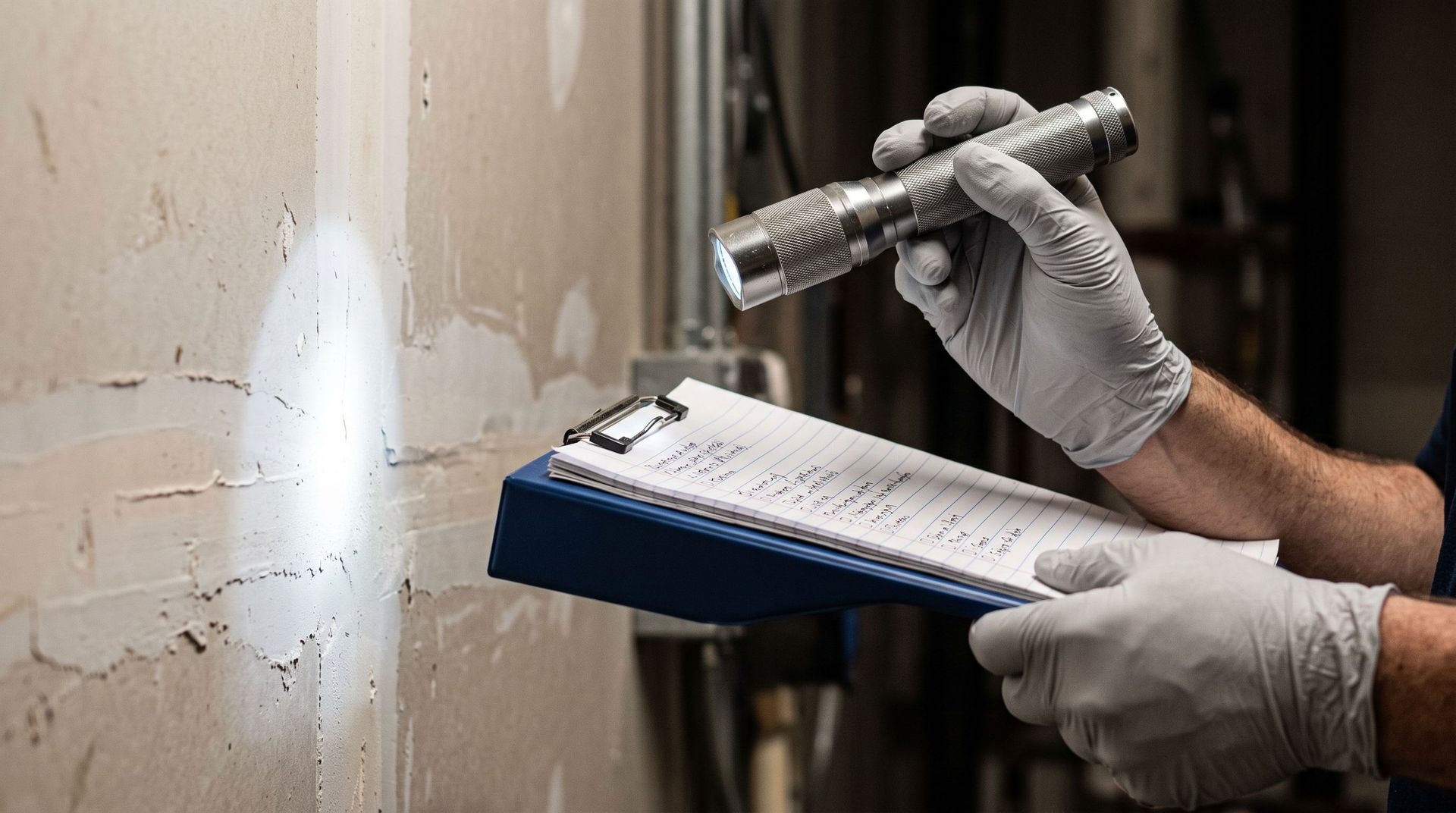
Ongoing Reviews and Condition Monitoring
Five years is the maximum legal interval between formal plan reviews under Regulation 14, while day-to-day building events often require updates much sooner. You must review and update your plan whenever:
- Control measures are reviewed or changed.
- Asbestos is removed, disturbed, sealed or enclosed.
- The existing plan becomes inadequate for the building's current state.
- A qualifying worker representative requests a review.
Changes in tenancy layout, building use, locked access or newly discovered materials can quickly render an older plan outdated. Separately from the five-year statutory review, ongoing condition monitoring keeps track of known ACM on a risk-appropriate schedule. An electrical riser checked during an annual inspection in Palmerston North might stay stable for years, while high-traffic corridors deserve closer eyes.
Good housekeeping keeps version control tight. Assign one named person to own updates, record every scheduled asbestos re-inspection, and file clearance certificates and maintenance sign-offs promptly after work wraps up.
A Repeatable System for Multi-Site Property Managers
Managing compliance across a dozen commercial sites brings real administrative pressure. WorkSafe's portfolio guidance recommends setting one consistent organisational policy that covers survey scheduling, deterioration monitoring, PCBU communication, record updates and easy site accessibility.
A single portfolio policy works best when paired with site-specific registers and plans tailored to each building's real layout. Generic templates copied across different properties quickly create blind spots. Instead, set up a central property tracker that logs:
- Property address, construction year and known refurbishment dates.
- Current tenants, key contacts and designated controlling PCBUs.
- Survey type completed, scope limitations and inaccessible zones.
- Known and assumed ACM locations, current condition and risk priority.
- Next re-inspection date, statutory review deadline and named update owner.
- On-site document access method and links to clearance certificates.
Calendar reminders and consistent file naming take the friction out of portfolio oversight, while each building retains its own accurate risk assessment and site emergency plan.
What About Residential Landlords?
Private residential landlords often wonder how these commercial workplace rules apply to rental homes. WorkSafe's residential landlord operational policy clarifies that the specific asbestos identification and management plan requirements apply when work is carried out on the property, and only to the areas where a risk of exposure to respirable fibres exists, including access routes.
For example, if you renovate a kitchen or bathroom or demolish an old garage at a rental house in Dannevirke or Napier, you are acting as a PCBU commissioning work. You must identify and manage asbestos risks in that work zone and along contractor access paths, while unrelated bedrooms outside the work area require no whole-house management plan. Tenancy Services echoes this responsibility whenever drilling, cutting, renovation or demolition takes place. Sharing general asbestos safety information with tenants during quiet periods when no work is occurring counts as good practice rather than a legal duty.
Getting Independent Support Across the Central North Island
Putting a practical asbestos management plan in place gives landlords, property managers and tenants clear ground to stand on before maintenance or building upgrades begin.
At Asbestos Safe Consultancy, we support commercial landlords, property managers, councils and project teams across Hawke's Bay, Gisborne, Taupō and Manawatū. Because we operate independently from asbestos removal companies, our advice remains completely unbiased. Our qualified inspectors arrange all sample testing through IANZ-accredited laboratories, write reports in plain English, and give you one consistent point of contact from start to finish.
Whether you need a fresh management survey, an intrusive refurbishment survey, a new asbestos register and asbestos management plan, or scheduled re-inspections and plan reviews, we are ready to help you manage your properties safely and confidently.
Disclaimer: This article provides general information on New Zealand asbestos management practices and regulations and is intended as a practical guide rather than legal advice. Property owners and managers should seek qualified advice tailored to their specific building and legal obligations.